June 17, 2022 NHTSA CAMPAIGN NUMBER: 22V434000
Oil Pressure Sensor Incorrectly Wired
An incorrectly wired oil pressure sensor will not alert the driver to low oil pressure, possibly resulting in an engine stall and increasing the risk of a crash.
NHTSA Campaign Number: 22V434
Manufacturer Isuzu Technical Center of America, Inc.
Components ELECTRICAL SYSTEM, ENGINE AND ENGINE COOLING
Potential Number of Units Affected 974
Summary
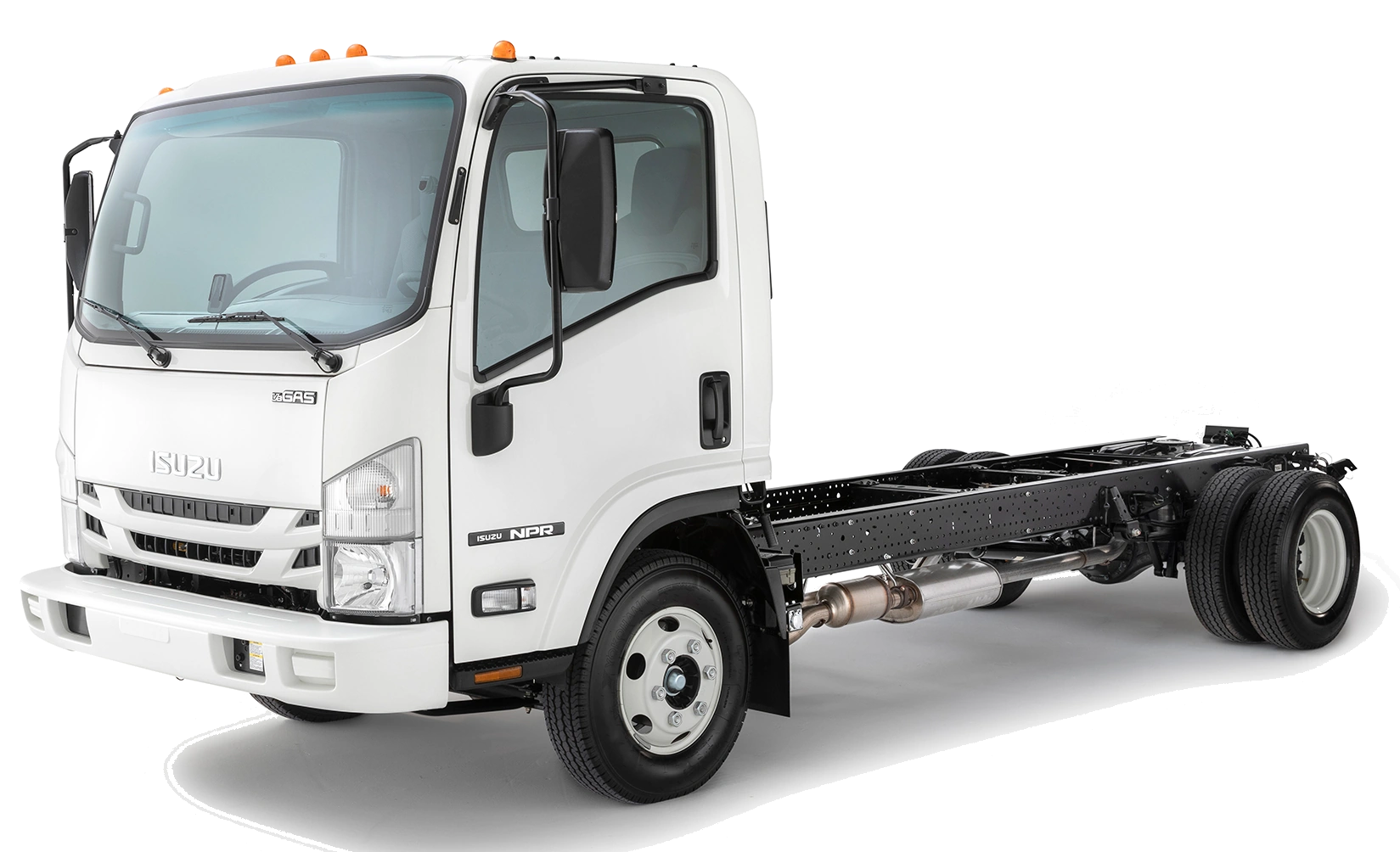
Isuzu Technical Center of America, Inc. (Isuzu) is recalling certain 2022 NQR Gas and NRR Gas trucks equipped with 6.0L engines. The engine wiring harness assembly was incorrectly wired to the oil pressure sensor.
Remedy
Dealers will fix the engine wiring harness assembly connector in the engine oil pressure sensor, free of charge.. Owner notification letters were mailed on July 29, 2022. Owners may contact Isuzu’s customer service at 1-866-441-9638. Isuzu’s number for this recall is V2202.
Notes
Owners may also contact the National Highway Traffic Safety Administration Vehicle Safety Hotline at 1-888-327-4236 (TTY 1-800-424-9153), or go to www.nhtsa.gov.
Check if your Isuzu Truck has a Recall
IMPORTANT SAFETY RECALL
MIS-WIRED ENGINE OIL PRESSURE SENSOR (V2202) – 22V-TBD
Transport Canada 2022-TBD
AFFECTED VEHICLES
- 2022MY Isuzu N-Series Vehicles (Equipped with 6.0L Gasoline Engines) Built Before November 3, 2021
INFORMATION
CONDITION
Isuzu Motors Limited has decided that a defect exists in certain 2022 model year Isuzu NQR and NRR trucks (equipped with 6.0L gasoline engines) built before November 3, 2021. In the affected vehicles, the engine wiring harness assembly was incorrectly wired at the pinout connector for the oil pressure sensor. The ECM (and a technician’s scan tool) will not detect the condition for low oil pressure and will always perceive the pressure to be at 126 PSI. If the oil pressure drops below a certain level, the engine oil pressure telltale will not illuminate to indicate low pressure. If the engine oil pressure is low, the defect will mask the warning to the driver or consumer, who may continue to operate the vehicles with a low engine oil pressure. If the engine continues to operate at a low engine oil pressure, it could damage the engine or its components and could cause the engine to seize and stall without prior warning. A seized engine can result in vehicle stalling and increase the risk of a crash.
NEW VEHICLE CORRECTION (DEALER INVENTORY ONLY)
You (Isuzu dealers) will correct the engine wiring harness assembly connector in the engine oil pressure sensor in the new vehicles in your inventory. Open a repair order referencing the Stop Sale (dated 6/17/2022) and perform the remedy procedure set forth in this bulletin.
IMPORTANT: This correction is for affected new vehicles in dealer inventory only. This bulletin will be updated when a remedy has been determined for affected customer vehicles.
VEHICLES INVOLVED
Involved are certain 2022 model year N-Series vehicles (equipped with 6.0L engines) built before November 3, 2021.
Important: Dealers are to confirm vehicle eligibility prior to beginning repairs by using IVIS (Isuzu Vehicle Information System).
For dealers with involved vehicles, a report of involved vehicles containing the complete vehicle identification numbers has been or will be provided. Dealers will not have a report available if they have no involved vehicles currently assigned.
SERVICE PROCEDURE
NEW VEHICLE CORRECTION (DEALER INVENTORY ONLY)
1. Apply the parking brake and block the rear wheels.
2. For non-crew cab models, safely tilt the cab and insert the safety pin per the instructions in the applicable Workshop Manual (WSM). If the vehicle is a crew cab model, remove the in-cab rear engine cover. (See Figure 1.)
3. Locate the oil pressure sensor on the upper rear of the engine just behind the intake plenum. (See Figure 2.)
4. Remove the connector E-104 from the oil pressure sensor by squeezing the lock tab and pulling upwards.
5. Remove the tape from the plastic conduit around the wires to the E-104 connector about 30mm up from the connector. Remove the wires from the conduit.
6. Remove the tape from the wires about 25mm up from the E-104 connector. (See Figure 3.)
7. Use a small screwdriver to remove the Primary Lock Reinforcement (PLR) from the inner portion of the E-104 connector as shown in Figures 4 and 5. Set aside the PLR for reuse later.
8. Use a small screwdriver to remove the Terminal Position Assurance (TPA) piece from the topside of the E-104 connector as shown in Figures 6 and 7. Make sure to unlock both tabs of the TPA before removing it. Set aside the TPA for reuse later.
9. Locate the wires going into Terminals 2 and 3 of the connector. (See Figure 8.)
NOTE: Do not remove Terminal 1. It does not require any modification.
10. Using terminal tool 10757862 or equivalent, deflect the locking arm for each wire in Terminals 2 and 3 as shown in Figure 9. As each locking arm is deflected, gently pull on the wire to remove each metal wire terminal end from the connector body. (See Figures 10 and 11).
NOTE: A small pick can be used to deflect the locking arm if a terminal tool is not available.
NOTE: Make note of the orientation of the metal terminals as they are removed for ease of reassembly.
11. Swap the wires of Terminals 2 and 3. Insert each wire into the proper hole with the metal terminal orientated the same way as it came out in Step 10. (See Figure 12.) Ensure that each metal terminal fully engages under each lock arm and that the rubber seal is completely seated into the connector.
12. Inspect the rear of the connector to ensure that the wires of Terminals 2 and 3 are now in the correct locations as shown in Figure 12.
13. Reinstall the TPA removed in Step 8 onto the rear of the connector. Ensure that each tab of the TPA “snaps” into place.
14. Reinstall the PLR removed in Step 7. Ensure that the PLR “snaps” completely in place.
15. Apply vinyl electrical tape back onto the wires from which the tape was removed in Step 6. (See Figure 13.)
16. Insert the wires back into the plastic conduit through the split in the conduit. Apply vinyl electrical tape around the conduit that was removed in Step 5. (See Figure 14.)
17. Connect the connector to the oil pressure sensor.
18. Using IDSS and with the engine running, check the engine oil pressure and confirm that oil pressure fluctuates with the engine RPM. (See Figure 15.)
a. If the oil pressure fluctuates, proceed to Step 19.
b. If the oil pressure remains at 126 PSI, confirm the wires are in the correct location as shown in Figure 11, the terminals are completely seated into the connector, and that the connector is completely seated onto the engine oil pressure sensor. If these checks do not find and correct the problem, contact TAL for assistance.
19. For non-crew cab models, remove the safety pin, lower the cab and properly lock it in place per the instructions in the applicable WSM. If the vehicle is a crew cab model, reinstall the in-cab rear engine cover that was removed in Step 2 and tighten the fasteners to Tightening Torque: 6.5 Nm (4.8 lb ft).
20. Proceed to Applying the Campaign Label.
APPLYING THE CAMPAIGN LABEL
21. Using a ball-point pen, fill in a campaign label (Part No. 2-90028-700-0) with Campaign Number V2202, Isuzu dealer code, and repair date.
22. Affix the campaign label onto the driver’s side B-pillar.
Effective immediately, stop the sale and delivery of affected new vehicles in your inventory, even if a customer has purchased an affected vehicle. Federal law prohibits the sale and delivery to customers of any vehicle containing a safety defect. You must not deliver any vehicle with the safety defect to customers until after the vehicle has been remedied.
WHAT IS THE CONDITION?
Isuzu Motors Limited has decided that a defect exists in certain 2022 model year Isuzu NQR and NRR trucks (equipped with 6.0L gasoline engines) built before November 3, 2021. In the affected vehicles, the engine wiring harness assembly was incorrectly wired at the pinout connector for the oil pressure sensor. The ECM (and a technician’s scan tool) will not detect the condition for low oil pressure and will always perceive the pressure to be at 126 PSI. If the oil pressure drops below a certain level, the engine oil pressure telltale will not illuminate to indicate low pressure. If the engine oil pressure is low, the defect will mask the warning to the driver or consumer, who may continue to operate the vehicles with a low engine oil pressure. If the engine continues to operate at a low engine oil pressure, it could damage the engine or its components and could cause the engine to seize and stall without prior warning. A seized engine can result in vehicle stalling and increase the risk of a crash.
WHAT WE WILL DO – DEALER INVENTORY ONLY
Isuzu has issued this notification and campaign bulletin CB22-N-001 so that dealers may begin correcting the affected new vehicles in their inventory.
IMPORTANT: This correction is for affected new vehicles in dealer inventory only. Bulletin CB22-N001 will be updated when a remedy has been determined for affected customer vehicles.
WHAT YOU SHOULD DO
You (Isuzu dealers) will correct the engine wiring harness assembly connector in the engine oil pressure sensor in the new vehicles in your inventory. Open a repair order referencing this Stop Sale and perform the remedy procedure set forth in Campaign Bulletin CB22-N-001.
DET-22-065
ISUZU CAMPAIGN: V2202
Chronology of Defect / Noncompliance Determination
573.6 (c) (6) or (7)
Describe the chronology of events leading up to the defect decision or test data for the noncompliance decision:
On July 7, 2021, Isuzu received the first field case reporting zero oil pressure in the engine when the Isuzu diagnostic scan tool displayed 126 psi.
Isuzu North America Corporation (INAC) QA, together with Isuzu Motors Limited (IML) and Isuzu Technical Center of America, Inc. (ITCA) (collectively, Isuzu), promptly launched an investigation in August 2021.
In September 2021, Isuzu determined that an erroneous engineering drawing caused the supplier of the harness containing the engine oil pressure (EOP) sensor connector to reverse Pins 2 and 3 of that connector when assembling that harness. Isuzu’s supplier reworked existing stock of harnesses by switching connector pins 2 and 3.
In October 2021, Isuzu approved a revised harness engineering drawing to correct the error.
In November 2021, Isuzu implemented utilization of the reworked harnesses on the production line of new trucks.
On January 11, 2022, Isuzu implemented utilization of correctly assembled harnesses supplied from the harness manufacturer. These harnesses had the correct harness-to-sensor connection on the E-104 connector.
From August 2021 through February 2022, Isuzu kept a close eye on the field experience of the vehicles that were produced with the improperly positioned EOP sensor Pins. Data was collected and then assembled on February 24, 2022 and discussed on March 15, 2022. As of February 24, 2022, there were 33 unique reports (that is, warranty claims and field reports that did not involve the same vehicle and the same repair) involving oil pressure concerns. Of the 33 unique reports, 16 involved customer complaints of “Check Engine Light (CEL) on” and engine noise, another 6 were complaints of “no start,” 4 indicated the engine ran rough, loss of oil pressure or no power, 4 claimed the engine had seized and 3 were complaints of an engine stall. At that time (and still today), Isuzu was (and remains) unaware of any crashes, property damage, injuries or deaths alleged to have resulted from this oil pressure sensor concern. Isuzu decided to continue its investigation into this issue and specifically on the question of whether this concern represented an unreasonable risk to motor vehicle safety.
From that point through the end of May, Isuzu continued to evaluate the field experience of the vehicles and the question of whether a field action was appropriate and necessary. On May 31, Isuzu put together the field data gathered to that point and then discussed the question – again including whether defect – the failure of the affected vehicles’ oil pressure sensor to sense the vehicles’ actual oil pressure and thus the failure of the EOP warning light to illuminate irrespective of the actual oil pressure in the vehicles – constituted an unreasonable risk to motor vehicle safety. As of May 31, 2022, there were 58 unique reports (that is, warranty claims and field reports that did not involve the same vehicle and the same repair) involving oil pressure concerns). Of the 58 unique reports (including 44 warranty claims and 53 TALs (field reports)), 32 (more than half) involved customer complaints of “Check Engine Light (CEL) on” and engine noise, 13 were complaints of “no start,” 3 involved miscellaneous claims such as the engine ran rough, loss of oil pressure or no power, 5 claimed the engine had seized and 5 were complaints of an engine stall. Based on this review, a decision was made on June 10, 2022 to conduct a safety-related defect recall. It connection with this review in early June, Isuzu determined that the failure of the EOP warning light to illuminate irrespective of the actual oil pressure level in the affected vehicles may also be a noncompliance with FMVSS 101.
As stated above, Isuzu is not aware of any crashes, property damage, injuries or deaths associated with this issue.
1 Affected Product
Vehicle
| MAKE | MODEL | YEAR |
| ISUZU | N-SERIES | 2022 |
13 Associated Documents
Recall Acknowledgement
RCAK-22V434-4227.pdf 646.415KB
Manufacturer Notices(to Dealers,etc)
RCMN-22V434-5701.pdf 135.424KB
Defect Notice 573 Report
RCLRPT-22V434-8354.PDF 215.923KB
Miscellaneous Document- Chronology
RMISC-22V434-7665.pdf 110.067KB
Remedy Instructions and TSB
RCRIT-22V434-0592.pdf 1215.48KB
Recall 573 Report- 07/20/2022
RCLRPT-22V434-2383.PDF 215.973KB
Manufacturer Notices(to Dealers,etc)
Recall 573 Report-08/02/2022
RCLRPT-22V434-1234.PDF 216.195KB
Recall 573 Report- 08/15/2022
RCLRPT-22V434-4485.PDF 216.193KB
ISSUED Owner Notification Letter(Part 577)
RCONL-22V434-5202.pdf 477.05KB
Recall Quarterly Report #1, 2022-3
RCLQRT-22V434-9289.PDF 211.133KB
Recall Quarterly Report #2, 2022-4
RCLQRT-22V434-1189.PDF 211.231KB
Recall Quarterly Report #3, 2023-1
RCLQRT-22V434-7950.PDF 211.313KB

- [Wide Compatibility Heavy Duty Truck Scanner] Compatible with a wide range of 12V & 24V heavy-duty trucks across North America, including major truck brands such as Freightliner, Peterbilt, Kenworth, International, Volvo, and Western Star, with support for common diesel engines from Cummins, Detroit, and PACCAR. Whether you're an owner-operator, fleet manager, or repair technician, HD601 helps simplify routine inspections, preventive maintenance, and everyday fault checks. Vehicle coverage may vary by model year, system, and configuration
- [Full-System Diagnostic Truck Scanner] This heavy duty diagnostic scanner supports full-system diagnostics for heavy-duty trucks, including Engine, Transmission, ABS, and more.It helps quickly identify faults, pinpoint problem areas, troubleshoot faster, and understand which systems need attention before repairs. Compatible light-duty vehicles support OBD2 diagnostics only
- [DTC Library + Live Data] This truck diagnostic scanner's built-in DTC library helps truck drivers, DIY users, and more quickly understand fault information. You can also manually enter standard SPN and FMI codes to look up fault details. For roadside situations without internet access, it helps identify possible problem areas
- [2-in-1 Heavy Duty & OBDII Diagnostics] This heavy duty scanner supports both HDOBD and OBDII diagnostics. It provides essential functions including Quick Scan, Full Scan, Live Data, Freeze Frame Data, Fault Code Reading and Clearing, and more. It supports HDOBD protocols such as J1939 and J1587/J1708 for reliable vehicle communication
- [Supports Multiple Vehicle Types] Suitable for various commercial vehicles, including heavy-duty trucks, semi-trucks, buses, and more. This truck scanner diagnostic tool features 6/9/16-pin connectors to support common vehicle interfaces, making it suitable for different vehicle applications and transportation needs

- Diagnose Heavy-Duty Truck Problems Fast — Read and clear fault codes and diagnose warning light issues on many Class 4–8 diesel trucks including Freightliner, Peterbilt, Kenworth, Volvo, Mack and Cummins-powered vehicles
- Help Reduce Downtime & Repair Costs — It offers full system diagnostics for major trucks meeting standard protocols, along with complete OBD2 functionality. Quickly check engine faults, view live truck data and identify issues before expensive repair shop visits or unnecessary repairs
- No complicated setup required — Simple menus and built-in DTC explanations make this truck code reader easy to use for owner-operators, mobile mechanics and small fleet maintenance
- Live Data & Built-in DTC Lookup — View real-time engine data and built-in truck fault code definitions directly on the scanner to help understand vehicle problems faster without searching through manuals
- Free Lifetime Updates & Technical Support — Includes free software updates plus responsive technical support for setup, compatibility and everyday truck diagnostics


- Boost DPF Performance For Smooth Truck Operation: Facing power loss, weak acceleration or constant DPF warning lights? The DPF regen scan tool offers forced DPF regeneration, DPF Reset, and DPD/DPR functions to clear soot buildup, recover engine output and keep exhaust aftertreatment working properly. Detect DPF‑related errors fast, reduce downtime, and prolong your diesel particulate filter lifespan. Vehicle compatibility varies. Please verify before purchase.
- Full-System Diagnostics with Real-Time Live Data: This truck scanner diagnostic tool covers Engine, ABS, Transmission, SRS, SAS, TPMS and other core vehicle systems. Read & clear fault codes, access live data stream, freeze frame, I/M readiness, DTC lookup and additional practical functions. Leverage real‑time data to quickly locate faults and support reliable repair judgements.
- 7+ Resets ‑ Perform Essential Service Procedures: The heavy duty diagnostic tool comes with 7+ professional service resets. It supports DPF Regen for soot removal, Oil Reset to erase service reminders, Injector Coding for new injectors, DEF Test, Speed Limit Adjustment, Cylinder Cutout for weak cylinder detection, Clutch Relearn for improved clutch engagement. Run these resets after service or component replacement to keep your truck working properly. Available functions vary by vehicle model.
- One Professional heavy duty scanner for 50+ Truck Brands: Compatible with J1939, J1708, J1587, and OBD2/CAN protocols this semi truck scanner delivers wide coverage for mainstream diesel trucks and commercial vehicles. Supported brands include Cummins, Detroit, Caterpillar, Paccar, Volvo, Freightliner, Kenworth, Peterbilt, International, Mack, Isuzu, Hino, Scania, Mercedes-Benz, and more. This single diesel diagnostic scanner lets you service more vehicles and cut down tool investment costs.
- Expert Remote Diagnostic Support: Faced with unexpected truck breakdowns? Equipped with built‑in TeamViewer and tech‑to‑tech support, this diesel truck scanner enables secure real‑time remote connection with professional technicians for diagnosis and troubleshooting. Share live vehicle data and send diagnostic feedback for quicker technical analysis to get expert guidance, no on‑site service required. Minimize downtime, prevent unnecessary repairs and get your truck back on the road sooner.

- Built for Heavy-Duty Trucks in Commercial Service: Go beyond basic passenger-car code reading with a heavy duty truck scanner built for real diesel truck service. Helps owner-operators, fleets, repair shops, used-truck businesses, and logistics teams handle everyday truck maintenance, prepare for DPF service, and troubleshoot with more confidence
- Get Back on the Road Faster with DPF Regen & Reset: Help perform DPF forced regeneration and DPF reset on supported Cummins, PACCAR, Caterpillar, Detroit, HD Volvo, Mack, International, and MaxxForce applications. Built-in CAN3 channel access helps complete regen and basic diagnostics without an extra CAN-3 adapter, so you can address soot-related issues sooner and reduce aftertreatment downtime
- Wide Coverage for Daily Service Needs: Works with Diesel OBD and OBD2 systems across Freightliner, Peterbilt, Kenworth, HD Volvo, Mack, International, Western Star, and more. Read vehicle information, clear fault codes, view live data, and perform oil reset on supported Isuzu, Fuso, and Hino applications—helping fleets and shops complete routine checks faster with fewer workflow delays
- Smarter Tools for Faster, More Reliable Repairs: Topology display, wiring diagrams, Pin Detect, and Pre/Post scan reports help technicians visualize system relationships, locate wiring or connector issues, document faults before service, and verify repairs after service. Clear reports help reduce guesswork, avoid rework, and support customer, fleet, and insurance claim documentation
- Free Software Updates, No Annual Fees: Get free software updates for the life of the device, which may help you save hundreds of dollars compared with subscription-based scanners. One-click software updates help keep your scanner current without extra annual fees, giving fleets, repair shops, and owner-operators better long-term value

- HANDLE MORE HEAVY-DUTY JOBS WITH ONE SCANNER — The ANCEL X7HD PRO brings full-system diagnostics, HDOBD/OBD2 diagnostics, 42+ service functions, bi-directional controls, and ECU coding into one heavy-duty scan tool. Built for diesel technicians, repair shops, and fleet maintenance teams that need one scanner for everyday diagnostics, service, active tests, and post-repair work
- TAKE ON 42+ SERVICE & RESET JOBS IN-HOUSE — Perform supported DPF regeneration, injector coding, oil reset, throttle adaptation, EPB reset, ABS bleeding, idle/speed adjustment, and more. Handle more routine maintenance and service work in your own shop or fleet yard instead of relying on a dealer or separate tools for every job
- COMMAND COMPONENTS & CHECK THEIR RESPONSE — Bi-directional control lets you command supported components such as injectors, cooling fans, throttle actuators, and ABS-related systems, then check how they respond. Use active tests to narrow down a problem before tearing things apart or replacing parts, helping you troubleshoot based on actual component behavior instead of fault codes alone
- CODE & MATCH MODULES AFTER REPLACEMENT — Perform supported ECU coding, module matching, adaptations, and relearn procedures when replacing compatible components or control modules. Complete more post-repair setup with the same scanner and help ensure replacement modules are properly configured to communicate with the vehicle
- DIAGNOSE MORE SYSTEMS ACROSS A MIXED FLEET — Read and clear codes, view live data and freeze frame information, and access supported systems including Engine, Transmission, ABS, and Body. Coverage includes compatible Freightliner, Kenworth, Peterbilt, Volvo, Mack, and International trucks; Cummins, Caterpillar, Detroit, PACCAR, and Navistar engines; plus supported OBD2/HDOBD vehicles—giving multi-brand shops and fleets broader coverage from one tool
SEOCONTENT-START
IMPORTANT SAFETY RECALL MIS-WIRED ENGINE OIL PRESSURE SENSOR (V2202) – 22V-TBD Transport Canada 2022-TBD • 2022MY Isuzu N-Series Vehicles (Equipped with 6.0L Gasoline Engines) Built Before November 3, 2021 CONDITION Isuzu Motors Limited has decided that a defect exists in certain 2022 model year Isuzu NQR and NRR trucks (equipped with 6.0L gasoline engines) built before November 3, 2021. In the affected vehicles, the engine wiring harness assembly was incorrectly wired at the pinout connector for the oil pressure sensor. The ECM (and a technician’s scan tool) will not detect the condition for low oil pressure and will always perceive the pressure to be at 126 PSI. If the oil pressure drops below a certain level, the engine oil pressure telltale will not illuminate to indicate low pressure. If the engine oil pressure is low, the defect will mask the warning to the driver or consumer, who may continue to operate the vehicles with a low engine oil pressure. If the engine continues to operate at a low engine oil pressure, it could damage the engine or its components and could cause the engine to seize and stall without prior warning. A seized engine can result in vehicle stalling and increase the risk of a crash. NEW VEHICLE CORRECTION (DEALER INVENTORY ONLY) You (Isuzu dealers) will correct the engine wiring harness assembly connector in the engine oil pressure sensor in the new vehicles in your inventory. Open a repair order referencing the Stop Sale (dated 6/17/2022) and perform the remedy procedure set forth in this bulletin. IMPORTANT: This correction is for affected new vehicles in dealer inventory only. This bulletin will be updated when a remedy has been determined for affected customer vehicles. AFFECTED VEHICLES INFORMATION IMPORTANT SERVICE INFORMATION FOR: SERVICE MANAGER SERVICE ADVISOR TECHNICIAN PARTS DEPARTMENT WARRANTY PERSONNEL BULLETIN NUMBER: CB22-N-001 ISSUE DATE: JUNE 2022 GROUP: ELECTRICAL CV 2 VEHICLES INVOLVED Involved are certain 2022 model year N-Series vehicles (equipped with 6.0L engines) built before November 3, 2021. Important: Dealers are to confirm vehicle eligibility prior to beginning repairs by using IVIS (Isuzu Vehicle Information System). For dealers with involved vehicles, a report of involved vehicles containing the complete vehicle identification numbers has been or will be provided. Dealers will not have a report available if they have no involved vehicles currently assigned. NEW VEHICLE CORRECTION (DEALER INVENTORY ONLY) 1. Apply the parking brake and block the rear wheels. 2. For non-crew cab models, safely tilt the cab and insert the safety pin per the instructions in the applicable Workshop Manual (WSM). If the vehicle is a crew cab model, remove the in-cab rear engine cover. (See Figure 1.) Figure 1 3. Locate the oil pressure sensor on the upper rear of the engine just behind the intake plenum. (See Figure 2.) SERVICE PROCEDURE 3 Figure 2 4. Remove the connector E-104 from the oil pressure sensor by squeezing the lock tab and pulling upwards. 5. Remove the tape from the plastic conduit around the wires to the E-104 connector about 30mm up from the connector. Remove the wires from the conduit. 6. Remove the tape from the wires about 25mm up from the E-104 connector. (See Figure 3.) Figure 3 25mm of tape removed 4 7. Use a small screwdriver to remove the Primary Lock Reinforcement (PLR) from the inner portion of the E-104 connector as shown in Figures 4 and 5. Set aside the PLR for reuse later. Figure 4 Figure 5 8. Use a small screwdriver to remove the Terminal Position Assurance (TPA) piece from the topside of the E-104 connector as shown in Figures 6 and 7. Make sure to unlock both tabs of the TPA before removing it. Set aside the TPA for reuse later. Figure 6 Figure 7 9. Locate the wires going into Terminals 2 and 3 of the connector. (See Figure 8.) NOTE: Do not remove Terminal 1. It does not require any modification. 5 Figure 8 – Wire Locations Before Swap 10. Using terminal tool 10757862 or equivalent, deflect the locking arm for each wire in Terminals 2 and 3 as shown in Figure 9. As each locking arm is deflected, gently pull on the wire to remove each metal wire terminal end from the connector body. (See Figures 10 and 11). NOTE: A small pick can be used to deflect the locking arm if a terminal tool is not available. NOTE: Make note of the orientation of the metal terminals as they are removed for ease of reassembly. Figure 9 6 Figure 10 Figure 11 11. Swap the wires of Terminals 2 and 3. Insert each wire into the proper hole with the metal terminal orientated the same way as it came out in Step 10. (See Figure 12.) Ensure that each metal terminal fully engages under each lock arm and that the rubber seal is completely seated into the connector. 12. Inspect the rear of the connector to ensure that the wires of Terminals 2 and 3 are now in the correct locations as shown in Figure 12. Figure 12 – Rear View of Connector After Wire Swap 13. Reinstall the TPA removed in Step 8 onto the rear of the connector. Ensure that each tab of the TPA “snaps” into place. 14. Reinstall the PLR removed in Step 7. Ensure that the PLR “snaps” completely in place. 15. Apply vinyl electrical tape back onto the wires from which the tape was removed in Step 6. (See Figure 13.) 7 Figure 13 16. Insert the wires back into the plastic conduit through the split in the conduit. Apply vinyl electrical tape around the conduit that was removed in Step 5. (See Figure 14.) Figure 14 17. Connect the connector to the oil pressure sensor. 8 18. Using IDSS and with the engine running, check the engine oil pressure and confirm that oil pressure fluctuates with the engine RPM. (See Figure 15.) Figure 15 a. If the oil pressure fluctuates, proceed to Step 19. b. If the oil pressure remains at 126 PSI, confirm the wires are in the correct location as shown in Figure 11, the terminals are completely seated into the connector, and that the connector is completely seated onto the engine oil pressure sensor. If these checks do not find and correct the problem, contact TAL for assistance. 19. For non-crew cab models, remove the safety pin, lower the cab and properly lock it in place per the instructions in the applicable WSM. If the vehicle is a crew cab model, reinstall the in-cab rear engine cover that was removed in Step 2 and tighten the fasteners to Tightening Torque: 6.5 Nm (4.8 lb ft). 20. Proceed to Applying the Campaign Label. APPLYING THE CAMPAIGN LABEL 21. Using a ball-point pen, fill in a campaign label (Part No. 2-90028-700-0) with Campaign Number V2202, Isuzu dealer code, and repair date. 22. Affix the campaign label onto the driver’s side B-pillar. 9 CLAIM INFORMATION Refer to the Isuzu ICS Claims Processing Manual for details on Campaign Claim Submission. Submit only one claim as indicated below. Labor Code Description Labor Hours V2202 Mis-wired Engine Oil Pressure Sensor Safety Recall Add Time: For Crew Cab Models 0.4 0.4 Includes 0.1 hours for administrative allowance DEALER RESPONSIBILITY Whenever a new vehicle subject to this campaign is in your vehicle inventory, you must take the steps necessary to ensure the recall remedy has been implemented before selling or releasing the vehicle. Important: As required by Federal law, dealers are not to deliver any new vehicle in their inventory, which is covered by a Safety Recall, until the necessary remedy has been performed. Dealers are to confirm vehicle eligibility prior to beginning repairs by using IVIS (Isuzu Vehicle Information System). Not all vehicles may be involved. For dealers with involved vehicles, a listing of involved vehicles containing the complete vehicle identification numbers has been or will be provided. Dealers will not have a report available if they have no involved vehicles currently assigned. OWNER NOTIFICATION This section will be updated when an approved owner letter is available.
**************************************************************************************************************
Tear here Mis-Wired Engine Oil Pressure Sensor 22V-434 Change of Ownership / Address IMPORTANT SAFETY RECALL NHTSA Recall 22V-434 JULY 2022 IMPORTANT: If you have sold or traded your Isuzu vehicle, please enter the owner’s name and address, if known, on the attached “Change of Information” postcard, tear off at both perforations, and drop it in the mail. Postage has already been paid. We will contact the new owner. Federal law requires that any vehicle lessor receiving this recall notice must forward a copy of this notice to the lessee within ten days. Lessor means a person or entity that is the owner, as reflected on the vehicle title, of any five or more leased vehicles. Dear Customer, This notice is sent to you in accordance with the National Traffic and Motor Vehicle Safety Act. Your vehicle xxxxxxxxxxxxxxxxx 2022 model year Isuzu N-Series vehicle is involved in safety recall NHTSA 22V-434. WHAT IS THE CONDITION? Isuzu Motors Limited has decided that a defect exists in certain 2022 model year Isuzu NQR and NRR trucks (equipped with 6.0L gasoline engines) built before November 3, 2021. In the affected vehicles, the engine wiring harness assembly was incorrectly wired at the pinout connector for the oil pressure sensor. The Engine Control Module (ECM) will not detect the condition for low oil pressure and will always perceive the pressure to be at 126 PSI. If the oil pressure drops below a certain level, the engine oil pressure telltale will not illuminate to indicate low pressure. In that case, the driver may continue to operate the vehicle without realizing its engine oil pressure is low. If the engine continues to operate at a low engine oil pressure, it could damage the engine or its components and could cause the engine to seize and stall without prior warning. A seized engine can result in vehicle stalling and increase the risk of a crash. WHAT WE WILL DO Your Isuzu dealer will first correct the engine wiring harness assembly connector in the engine oil pressure sensor so that the ECM will correctly perceive the oil pressure. Then the dealer will check the engine oil pressure at varying RPMs while the engine is running. If the oil pressure does not meet specifications at any of the RPMs checked, then the dealer will repair, or, if necessary, replace the engine. If the oil pressure meets specifications at each of the RPMs checked, then no further repairs are required. This service will be performed free of charge. WHAT YOU SHOULD DO We recommend that you contact your Isuzu dealer to schedule an appointment. Although not necessary, please present this Owner Notification Letter at the time of your appointment or refer to Campaign Service Bulletin CB22-N-001B. We estimate that the remedy may take 30 minutes to perform assuming the engine does not need to be repaired or replaced. Additional time will be necessary if the engine needs to be repaired or replaced. To locate the nearest Isuzu dealer you can visit our website at www.isuzucv.com or contact our Customer Relations Department at the number listed below. Isuzu Commercial Truck of America Customer Relations 1-866-441-9638 If you have any difficulty having this recall performed, we recommend that you call Isuzu customer relations at 1-866-441-9638. If you are still not satisfied that we have remedied this situation without charge, and within a reasonable amount of time, you may wish to write to the Administrator of the National Highway Traffic Safety Administration, 1200 New Jersey Avenue, SE, Washington DC 20590, or call the agency’s toll-free Vehicle Safety Hotline at 1-888-327-4236 (TTY: 1-800-424-9153), or go to http://www.nhtsa.gov. We regret any inconvenience this action may cause you. Sincerely, Isuzu Commercial Truck of America, Inc. This notice applies to your vehicle, xxxxxxxxxxxxxxxxx ISUZU COMMERCIAL TRUCK OF AMERICA, INC. 1400 SOUTH DOUGLASS ROAD SUITE 100 ANAHEIM, CA 92806 Tear here SAFETY RECALL NOTICE IMPORTANT SAFETY RECALL INFORMATION PRESORTED FIRST CLASS U.S. Postage PAID Whittier, CA Permit No. 175 1*************AUTO**ALL FOR AADC 917 03113302101212023313110322210022230101123311202111121000010113020 1
**************************************************************************************************************
Isuzu Commercial Truck of America, Inc. Customer Relations Department 1400 S. Douglass Road, Suite 100, Anaheim, CA 92806 *1-866-441-9638 DOC ID: DN_22V434_20220727 JULY 2022 Safety Recall 22V-434 (NHTSA) / 2022-324 (TC) Campaign Bulletin CB22-N-001B IMPORTANT SAFETY RECALL MIS-WIRED ENGINE OIL PRESSURE SENSOR – 22V-434 (Transport Canada 2022-324) To: Isuzu Commercial Truck Service Managers and Parts Managers This notice and Campaign Bulletin CB22-N-001B are being sent to inform you about Safety Recall – Mis- Wired Engine Oil Pressure Sensor in certain Isuzu commercial vehicles. AFFECTED VEHICLES 2022MY Isuzu N-Series Vehicles (Equipped with 6.0L Gasoline Engines) Built Before November 3, 2021 CONDITION Isuzu Motors Limited has decided that a defect exists in certain 2022 model year Isuzu NQR and NRR trucks (equipped with 6.0L gasoline engines) built before November 3, 2021. In the affected vehicles, the engine wiring harness assembly was incorrectly wired at the pinout connector for the oil pressure sensor. The ECM (and a technician’s scan tool) will not detect the condition for low oil pressure and will always perceive the pressure to be at 126 PSI. If the oil pressure drops below a certain level, the engine oil pressure telltale will not illuminate to indicate low pressure. If the engine oil pressure is low, the defect will mask the warning to the driver or consumer, who may continue to operate the vehicles with a low engine oil pressure. If the engine continues to operate at a low engine oil pressure, it could damage the engine or its components and could cause the engine to seize and stall without prior warning. A seized engine can result in vehicle stalling and increase the risk of a crash. DEALER NEW VEHICLE INVENTORY ONLY CORRECTION As previously communicated on 6/17/2022 in the Stop Sale Notification, Isuzu dealers will correct the engine wiring harness assembly connector in the engine oil pressure sensor in the new vehicles in their inventory and perform the remedy procedure set forth in the Campaign Bulletin. CUSTOMER VEHICLE ONLY CORRECTION In customer vehicles, Isuzu dealers will correct the engine wiring harness assembly connector in the engine oil pressure sensor, check the engine oil level and pressure at varying engine RPMs and, if necessary, take further actions as set forth in the Campaign Bulletin. This service will be performed free of charge. OWNER NOTIFICATION OWNER NOTIFICATION WILL BEGIN JULY 29, 2022. Please ensure that all appropriate personnel within your dealership are aware of this Safety Recall – Mis- Wired Engine Oil Pressure Sensor.
**************************************************************************************************************
Isuzu Commercial Truck of America, Inc. Customer Relations Department 1400 S. Douglass Road, Suite 100, Anaheim, CA 92806 *1-866-441-9638 DOC ID: SS_V2202_20220617 STOP SALE AND DELIVERY – SAFETY RECALL Date: June 17, 2022 Subject: Stop Sale and Delivery Notice for Upcoming Safety Recall Affected Models: 2022MY Isuzu N-Series Vehicles (Equipped with 6.0L Gasoline Engines) Built Before November 3, 2021 To: Isuzu Dealer Principal, Sales Manager and Service Manager Effective immediately, stop the sale and delivery of affected new vehicles in your inventory, even if a customer has purchased an affected vehicle. Federal law prohibits the sale and delivery to customers of any vehicle containing a safety defect. You must not deliver any vehicle with the safety defect to customers until after the vehicle has been remedied. WHAT IS THE CONDITION? Isuzu Motors Limited has decided that a defect exists in certain 2022 model year Isuzu NQR and NRR trucks (equipped with 6.0L gasoline engines) built before November 3, 2021. In the affected vehicles, the engine wiring harness assembly was incorrectly wired at the pinout connector for the oil pressure sensor. The ECM (and a technician’s scan tool) will not detect the condition for low oil pressure and will always perceive the pressure to be at 126 PSI. If the oil pressure drops below a certain level, the engine oil pressure telltale will not illuminate to indicate low pressure. If the engine oil pressure is low, the defect will mask the warning to the driver or consumer, who may continue to operate the vehicles with a low engine oil pressure. If the engine continues to operate at a low engine oil pressure, it could damage the engine or its components and could cause the engine to seize and stall without prior warning. A seized engine can result in vehicle stalling and increase the risk of a crash. WHAT WE WILL DO – DEALER INVENTORY ONLY Isuzu has issued this notification and campaign bulletin CB22-N-001 so that dealers may begin correcting the affected new vehicles in their inventory. IMPORTANT: This correction is for affected new vehicles in dealer inventory only. Bulletin CB22-N- 001 will be updated when a remedy has been determined for affected customer vehicles. WHAT YOU SHOULD DO You (Isuzu dealers) will correct the engine wiring harness assembly connector in the engine oil pressure sensor in the new vehicles in your inventory. Open a repair order referencing this Stop Sale and perform the remedy procedure set forth in Campaign Bulletin CB22-N-001. IMPORTANT: Always confirm vehicle eligibility prior to beginning repairs by using the Isuzu Vehicle Information System (IVIS). You will receive another notice regarding this recall as well as a revised campaign bulletin containing the remedy procedure for affected customer vehicles and sample owner letters once the owner letters have been approved by NHTSA and Transport Canada. We regret any inconvenience this action may cause you. Sincerely, Isuzu Commercial Truck of America, Inc.
**************************************************************************************************************
OMB Control No.: 2127-0004 Part 573 Safety Recall Report 22V-434 The information contained in this report was submitted pursuant to 49 CFR §573 Manufacturer Name : Isuzu Technical Center of America, Inc. Submission Date : JUN 17, 2022 NHTSA Recall No. : 22V-434 Manufacturer Recall No. : V2202 Manufacturer Information : Manufacturer Name : Isuzu Technical Center of America, Inc. Address : 46401 Commerce Center Drive Plymouth MI 48170-2473 Company phone : 866-441-9638 Population : Number of potentially involved : 974 Estimated percentage with defect : 100 % Vehicle Information : Vehicle 1 : 2022-2022 ISUZU NQR Gas Vehicle Type : BUSES, MEDIUM & HEAVY VEHICLES Body Style : OTHER Power Train : GAS Descriptive Information : This recall applies to MY 2022 NQR and NRR Gasoline trucks (with 6.0L engine) built before 11/3/2021 [VIN 8: “L” VIN 12: “5” & “R”] Production Dates : FEB 10, 2021 – OCT 11, 2021 VIN Range 1 : Begin : 54DE5W1L4NS500091 End : 54DE5J1LXNS501152 ✔ Not sequential Vehicle 2 : 2022-2022 ISUZU NRR Gas Vehicle Type : BUSES, MEDIUM & HEAVY VEHICLES Body Style : OTHER Power Train : GAS Descriptive Information : This recall applies to MY 2022 NQR and NRR Gasoline trucks (with 6.0L engine) built before 11/3/2021 [VIN 8: “L” VIN 12: “5” & “R”] Production Dates : FEB 10, 2021 – OCT 11, 2021 VIN Range 1 : Begin : 54DE5W1L5NSR00001 End : 54DE5J1LXNSR01230 ✔ Not sequential Part 573 Safety Recall Report 22V-434 Page 2 The information contained in this report was submitted pursuant to 49 CFR §573 Description of Defect : Description of the Defect : The engine wiring harness assembly was incorrectly wired at the pinout connector for the oil pressure sensor. The ECM (and a technician’s scan tool) will not detect the condition for low oil pressure and will always perceive the pressure to be at 126 psi. If the oil pressure drops below a certain level, the engine oil pressure telltale will not illuminate to indicate low pressure. This condition may also be a noncompliance with FMVSS 101, because the oil pressure telltale does not illuminate when the low pressure condition arises in the vehicle. FMVSS 1 : 101 – Control and displays FMVSS 2 : NR Description of the Safety Risk : In ordinary operation, there is no safety risk. However, if the engine oil pressure is actually low, the defect will mask the warning to the consumer, who may continue to operate with low engine oil pressure. If the engine continues to operate with low engine oil pressure, it could damage the engine or its components and ultimately cause the engine to seize without prior warning. A seized engine can result in vehicle stalling and increase the risk of a crash. Description of the Cause : In the engine harness assembly, the wires leading to pinout connector position 2 and 3 for the engine oil pressure sensor were reversed. This was due to an engineering drawing error. Identification of Any Warning that can Occur : There may be one or more warnings to the driver, including the illumination of the Check Engine Light and/or the Engine Overheat Warning Light, engine noise (knocking or clicking) and/or the vehicle may go into de-rate mode (limited speed operation), at which point the customer must park the vehicle as soon as possible. In some cases, there may be no warning before the engine stops. Involved Components : Component Name 1 : HARNESS ASM; ENG WRG Component Description : ENGINE WIRE HARNESS ASSEMBLY Component Part Number : 897848843x Supplier Identification : Component Manufacturer Name : : Arneses Electricos Automotrices S.A. Part 573 Safety Recall Report 22V-434 Page 3 The information contained in this report was submitted pursuant to 49 CFR §573 Address : Prolongacion Allende No. 380 Apaseo el Grande Guanajuato Foreign States 38160 Country : Mexico Chronology : Separately provided. Description of Remedy : Description of Remedy Program : For affected new vehicles in dealer stock, Isuzu dealers will correct the engine harness wiring assembly connector for the engine oil pressure. For vehicles that are already in the field, a final remedy has not yet been determined. All affected vehicles are within the original warranty period. How Remedy Component Differs from Recalled Component : The engine wiring harness is correctly connected to Pins 2 and 3 of the oil pressure sensor connector. Identify How/When Recall Condition was Corrected in Production : The harnesses in vehicles built on or after November 3, 2021 are correctly connected to Pins 2 and 3 of the oil pressure sensor connector. Recall Schedule : Description of Recall Schedule : Isuzu will notify their vehicle owners and dealers of this recall. They will be informed that the recall repairs will be done free of charge. The recall owner notification date will begin on 7/29/2022. For additional information, Isuzu owners may contact Isuzu Customer Relations at 1-866-441-9638. Planned Dealer Notification Date : JUN 17, 2022 – JUN 17, 2022 Planned Owner Notification Date : JUL 29, 2022 – JUL 29, 2022 * NR – Not Reported
**************************************************************************************************************
OMB Control No.: 2127-0004 Part 573 Safety Recall Report 22V-434 The information contained in this report was submitted pursuant to 49 CFR §573 Manufacturer Name : Isuzu Motors Limited Submission Date : AUG 15, 2022 NHTSA Recall No. : 22V-434 Manufacturer Recall No. : V2202 Manufacturer Information : Manufacturer Name : Isuzu Motors Limited Address : 46401 Commerce Center Drive Plymouth MI 48170-2473 Company phone : 866-441-9638 Population : Number of potentially involved : 974 Estimated percentage with defect : 100 % Vehicle Information : Vehicle 1 : 2022-2022 ISUZU NRR Gas Vehicle Type : BUSES, MEDIUM & HEAVY VEHICLES Body Style : OTHER Power Train : GAS Descriptive Information : This recall applies to MY 2022 NQR and NRR Gasoline trucks (with 6.0L engine) built before 11/3/2021 [VIN 8: “L” VIN 12: “5” & “R”] Production Dates : FEB 10, 2021 – OCT 11, 2021 VIN Range 1 : Begin : 54DE5W1L5NSR00001 End : 54DE5J1LXNSR01230 ✔ Not sequential Vehicle 2 : 2022-2022 ISUZU NQR Gas Vehicle Type : BUSES, MEDIUM & HEAVY VEHICLES Body Style : OTHER Power Train : GAS Descriptive Information : This recall applies to MY 2022 NQR and NRR Gasoline trucks (with 6.0L engine) built before 11/3/2021 [VIN 8: “L” VIN 12: “5” & “R”] Production Dates : FEB 10, 2021 – OCT 11, 2021 VIN Range 1 : Begin : 54DE5W1L4NS500091 End : 54DE5J1LXNS501152 ✔ Not sequential Part 573 Safety Recall Report 22V-434 Page 2 The information contained in this report was submitted pursuant to 49 CFR §573 Description of Defect : Description of the Defect : The engine wiring harness assembly was incorrectly wired at the pinout connector for the oil pressure sensor. The ECM (and a technician’s scan tool) will not detect the condition for low oil pressure and will always perceive the pressure to be at 126 psi. If the oil pressure drops below a certain level, the engine oil pressure telltale will not illuminate to indicate low pressure. This condition may also be a noncompliance with FMVSS 101, because the oil pressure telltale does not illuminate when the low pressure condition arises in the vehicle. FMVSS 1 : 101 – Control and displays FMVSS 2 : NR Description of the Safety Risk : In ordinary operation, there is no safety risk. However, if the engine oil pressure is actually low, the defect will mask the warning to the consumer, who may continue to operate with low engine oil pressure. If the engine continues to operate with low engine oil pressure, it could damage the engine or its components and ultimately cause the engine to seize without prior warning. A seized engine can result in vehicle stalling and increase the risk of a crash. Description of the Cause : In the engine harness assembly, the wires leading to pinout connector position 2 and 3 for the engine oil pressure sensor were reversed. This was due to an engineering drawing error. Identification of Any Warning that can Occur : There may be one or more warnings to the driver, including the illumination of the Check Engine Light and/or the Engine Overheat Warning Light, engine noise (knocking or clicking) and/or the vehicle may go into de-rate mode (limited speed operation), at which point the customer must park the vehicle as soon as possible. In some cases, there may be no warning before the engine stops. Involved Components : Component Name 1 : HARNESS ASM; ENG WRG Component Description : ENGINE WIRE HARNESS ASSEMBLY Component Part Number : 897848843x Supplier Identification : Component Manufacturer Name : Arneses Electricos Automotrices S.A. Part 573 Safety Recall Report 22V-434 Page 3 The information contained in this report was submitted pursuant to 49 CFR §573 Address : Prolongacion Allende No. 380 Apaseo el Grande Guanajuato Foreign States 38160 Country : Mexico Chronology : Separately provided. Description of Remedy : Description of Remedy Program : For vehicles in dealer inventory, Isuzu dealers will first correct the engine wiring harness assembly connector in the engine oil pressure sensor so that the ECM will correctly perceive the oil pressure and then confirm that the engine oil pressure varies at different RPMs while the engine is running. For vehicles in the field (customer vehicles), after correcting the engine wiring harness assembly connector in the engine oil pressure sensor so that the ECM will correctly perceive the engine oil pressure, Isuzu dealers will then check the engine oil pressure at varying RPMs while the engine is running. If the oil pressure does not meet specifications at any of the RPMs checked, then the dealer will repair, or, if necessary, replace the engine. If the oil pressure meets specifications at each of the RPMs checked, then no further repairs are required. This service will be performed free of charge. Reimbursement plan – All subject vehicles within the affected VIN range are new vehicles and are covered under the Isuzu’s New Truck Warranty program. How Remedy Component Differs from Recalled Component : The engine wiring harness is correctly connected to Pins 2 and 3 of the oil pressure sensor connector. Identify How/When Recall Condition was Corrected in Production : The harnesses in vehicles built on or after November 3, 2021 are correctly connected to Pins 2 and 3 of the oil pressure sensor connector. Recall Schedule : Description of Recall Schedule : Isuzu will notify their vehicle owners and dealers of this recall. They will be informed that the recall repairs will be done free of charge. The recall owner notification date will begin on 7/29/2022. For additional information, Isuzu owners may contact Isuzu Customer Relations at 1-866-441-9638. Planned Dealer Notification Date : JUN 17, 2022 – JUN 17, 2022 Planned Owner Notification Date : JUL 29, 2022 – JUL 29, 2022 * NR – Not Reported
**************************************************************************************************************
OMB Control No.: 2127-0004 Part 573 Safety Recall Report 22V-434 The information contained in this report was submitted pursuant to 49 CFR §573 Manufacturer Name : Isuzu Motors Limited Submission Date : JUL 20, 2022 NHTSA Recall No. : 22V-434 Manufacturer Recall No. : V2202 Manufacturer Information : Manufacturer Name : Isuzu Motors Limited Address : 46401 Commerce Center Drive Plymouth MI 48170-2473 Company phone : 866-441-9638 Population : Number of potentially involved : 974 Estimated percentage with defect : 100 % Vehicle Information : Vehicle 1 : 2022-2022 ISUZU NQR Gas Vehicle Type : BUSES, MEDIUM & HEAVY VEHICLES Body Style : OTHER Power Train : GAS Descriptive Information : This recall applies to MY 2022 NQR and NRR Gasoline trucks (with 6.0L engine) built before 11/3/2021 [VIN 8: “L” VIN 12: “5” & “R”] Production Dates : FEB 10, 2021 – OCT 11, 2021 VIN Range 1 : Begin : 54DE5W1L4NS500091 End : 54DE5J1LXNS501152 ✔ Not sequential Vehicle 2 : 2022-2022 ISUZU NRR Gas Vehicle Type : BUSES, MEDIUM & HEAVY VEHICLES Body Style : OTHER Power Train : GAS Descriptive Information : This recall applies to MY 2022 NQR and NRR Gasoline trucks (with 6.0L engine) built before 11/3/2021 [VIN 8: “L” VIN 12: “5” & “R”] Production Dates : FEB 10, 2021 – OCT 11, 2021 VIN Range 1 : Begin : 54DE5W1L5NSR00001 End : 54DE5J1LXNSR01230 ✔ Not sequential Part 573 Safety Recall Report 22V-434 Page 2 The information contained in this report was submitted pursuant to 49 CFR §573 Description of Defect : Description of the Defect : The engine wiring harness assembly was incorrectly wired at the pinout connector for the oil pressure sensor. The ECM (and a technician’s scan tool) will not detect the condition for low oil pressure and will always perceive the pressure to be at 126 psi. If the oil pressure drops below a certain level, the engine oil pressure telltale will not illuminate to indicate low pressure. This condition may also be a noncompliance with FMVSS 101, because the oil pressure telltale does not illuminate when the low pressure condition arises in the vehicle. FMVSS 1 : 101 – Control and displays FMVSS 2 : NR Description of the Safety Risk : In ordinary operation, there is no safety risk. However, if the engine oil pressure is actually low, the defect will mask the warning to the consumer, who may continue to operate with low engine oil pressure. If the engine continues to operate with low engine oil pressure, it could damage the engine or its components and ultimately cause the engine to seize without prior warning. A seized engine can result in vehicle stalling and increase the risk of a crash. Description of the Cause : In the engine harness assembly, the wires leading to pinout connector position 2 and 3 for the engine oil pressure sensor were reversed. This was due to an engineering drawing error. Identification of Any Warning that can Occur : There may be one or more warnings to the driver, including the illumination of the Check Engine Light and/or the Engine Overheat Warning Light, engine noise (knocking or clicking) and/or the vehicle may go into de-rate mode (limited speed operation), at which point the customer must park the vehicle as soon as possible. In some cases, there may be no warning before the engine stops. Involved Components : Component Name 1 : HARNESS ASM; ENG WRG Component Description : ENGINE WIRE HARNESS ASSEMBLY Component Part Number : 897848843x Supplier Identification : Component Manufacturer Name : : Arneses Electricos Automotrices S.A. Part 573 Safety Recall Report 22V-434 Page 3 The information contained in this report was submitted pursuant to 49 CFR §573 Address : Prolongacion Allende No. 380 Apaseo el Grande Guanajuato Foreign States 38160 Country : Mexico Chronology : Separately provided. Description of Remedy : Description of Remedy Program : For affected new vehicles in dealer stock, Isuzu dealers will correct the engine harness wiring assembly connector for the engine oil pressure. For vehicles that are already in the field, a final remedy has not yet been determined. Reimbursement plan – All subject vehicles within the affected VIN range are new vehicles and are covered under the Isuzu’s New Truck Warranty program. How Remedy Component Differs from Recalled Component : The engine wiring harness is correctly connected to Pins 2 and 3 of the oil pressure sensor connector. Identify How/When Recall Condition was Corrected in Production : The harnesses in vehicles built on or after November 3, 2021 are correctly connected to Pins 2 and 3 of the oil pressure sensor connector. Recall Schedule : Description of Recall Schedule : Isuzu will notify their vehicle owners and dealers of this recall. They will be informed that the recall repairs will be done free of charge. The recall owner notification date will begin on 7/29/2022. For additional information, Isuzu owners may contact Isuzu Customer Relations at 1-866-441-9638. Planned Dealer Notification Date : JUN 17, 2022 – JUN 17, 2022 Planned Owner Notification Date : JUL 29, 2022 – JUL 29, 2022 * NR – Not Reported
**************************************************************************************************************
OMB Control No.: 2127-0004 Part 573 Safety Recall Report 22V-434 The information contained in this report was submitted pursuant to 49 CFR §573 Manufacturer Name : Isuzu Motors Limited Submission Date : AUG 02, 2022 NHTSA Recall No. : 22V-434 Manufacturer Recall No. : V2202 Manufacturer Information : Manufacturer Name : Isuzu Motors Limited Address : 46401 Commerce Center Drive Plymouth MI 48170-2473 Company phone : 866-441-9638 Population : Number of potentially involved : 974 Estimated percentage with defect : 100 % Vehicle Information : Vehicle 1 : 2022-2022 ISUZU NQR Gas Vehicle Type : BUSES, MEDIUM & HEAVY VEHICLES Body Style : OTHER Power Train : GAS Descriptive Information : This recall applies to MY 2022 NQR and NRR Gasoline trucks (with 6.0L engine) built before 11/3/2021 [VIN 8: “L” VIN 12: “5” & “R”] Production Dates : FEB 10, 2021 – OCT 11, 2021 VIN Range 1 : Begin : 54DE5W1L4NS500091 End : 54DE5J1LXNS501152 ✔ Not sequential Vehicle 2 : 2022-2022 ISUZU NRR Gas Vehicle Type : BUSES, MEDIUM & HEAVY VEHICLES Body Style : OTHER Power Train : GAS Descriptive Information : This recall applies to MY 2022 NQR and NRR Gasoline trucks (with 6.0L engine) built before 11/3/2021 [VIN 8: “L” VIN 12: “5” & “R”] Production Dates : FEB 10, 2021 – OCT 11, 2021 VIN Range 1 : Begin : 54DE5W1L5NSR00001 End : 54DE5J1LXNSR01230 ✔ Not sequential Part 573 Safety Recall Report 22V-434 Page 2 The information contained in this report was submitted pursuant to 49 CFR §573 Description of Defect : Description of the Defect : The engine wiring harness assembly was incorrectly wired at the pinout connector for the oil pressure sensor. The ECM (and a technician’s scan tool) will not detect the condition for low oil pressure and will always perceive the pressure to be at 126 psi. If the oil pressure drops below a certain level, the engine oil pressure telltale will not illuminate to indicate low pressure. This condition may also be a noncompliance with FMVSS 101, because the oil pressure telltale does not illuminate when the low pressure condition arises in the vehicle. FMVSS 1 : 101 – Control and displays FMVSS 2 : NR Description of the Safety Risk : In ordinary operation, there is no safety risk. However, if the engine oil pressure is actually low, the defect will mask the warning to the consumer, who may continue to operate with low engine oil pressure. If the engine continues to operate with low engine oil pressure, it could damage the engine or its components and ultimately cause the engine to seize without prior warning. A seized engine can result in vehicle stalling and increase the risk of a crash. Description of the Cause : In the engine harness assembly, the wires leading to pinout connector position 2 and 3 for the engine oil pressure sensor were reversed. This was due to an engineering drawing error. Identification of Any Warning that can Occur : There may be one or more warnings to the driver, including the illumination of the Check Engine Light and/or the Engine Overheat Warning Light, engine noise (knocking or clicking) and/or the vehicle may go into de-rate mode (limited speed operation), at which point the customer must park the vehicle as soon as possible. In some cases, there may be no warning before the engine stops. Involved Components : Component Name 1 : HARNESS ASM; ENG WRG Component Description : ENGINE WIRE HARNESS ASSEMBLY Component Part Number : 897848843x Supplier Identification : Component Manufacturer Name : : Arneses Electricos Automotrices S.A. Part 573 Safety Recall Report 22V-434 Page 3 The information contained in this report was submitted pursuant to 49 CFR §573 Address : Prolongacion Allende No. 380 Apaseo el Grande Guanajuato Foreign States 38160 Country : Mexico Chronology : Separately provided. Description of Remedy : Description of Remedy Program : For vehicles in dealer inventory, Isuzu dealers will first correct the engine wiring harness assembly connector in the engine oil pressure sensor so that the ECM will correctly perceive the oil pressure and then confirm that the engine oil pressure varies at different RPMs while the engine is running. For vehicles in the field (customer vehicles), after correcting the engine wiring harness assembly connector in the engine oil pressure sensor so that the ECM will correctly perceive the engine oil pressure, Isuzu dealers will then check the engine oil pressure at varying RPMs while the engine is running. If the oil pressure does not meet specifications at any of the RPMs checked, then the dealer will repair, or, if necessary, replace the engine. If the oil pressure meets specifications at each of the RPMs checked, then no further repairs are required. This service will be performed free of charge. Reimbursement plan – All subject vehicles within the affected VIN range are new vehicles and are covered under the Isuzu’s New Truck Warranty program. How Remedy Component Differs from Recalled Component : The engine wiring harness is correctly connected to Pins 2 and 3 of the oil pressure sensor connector. Identify How/When Recall Condition was Corrected in Production : The harnesses in vehicles built on or after November 3, 2021 are correctly connected to Pins 2 and 3 of the oil pressure sensor connector. Recall Schedule : Description of Recall Schedule : Isuzu will notify their vehicle owners and dealers of this recall. They will be informed that the recall repairs will be done free of charge. The recall owner notification date will begin on 7/29/2022. For additional information, Isuzu owners may contact Isuzu Customer Relations at 1-866-441-9638. Planned Dealer Notification Date : JUN 17, 2022 – JUN 17, 2022 Planned Owner Notification Date : JUL 29, 2022 – JUL 29, 2022 * NR – Not Reported
SEOCONTENT-END
This product presentation was made with AAWP plugin.